Choosing the right shin pad size is crucial for protection‚ mobility‚ and confidence on the ice․ Proper fit reduces pressure points‚ prevents blisters‚ and allows quick lateral movement․ By measuring foot length and width accurately‚ players can select pads that match their stance and play style․ for allnow
Foot Measurement Basics for Shin Pads
Accurate foot measurements start with a ruler or tape measure․ Place the foot flat‚ record the longest toe to heel distance‚ then note the widest part; Use these numbers to compare against the manufacturer’s chart‚ ensuring a snug yet breathable fit․ Stay tight․
Foot Length and Width Measurement Techniques
Start by placing a piece of paper on a flat surface and standing barefoot․ Mark the heel and the tip of the longest toe․ Measure the distance between these marks with a ruler‚ recording the length in inches or centimeters․ Repeat the process on the other foot‚ as asymmetry is common․ For width‚ lay the foot flat on the paper‚ then trace the outline․ Measure the widest point across the ball of the foot‚ ensuring the tape does not compress the skin․ Use a flexible tape measure for accuracy․ To account for swelling during play‚ add ½ inch (1․25 cm) to the length and ¼ inch (0․6 cm) to the width․ Compare these adjusted figures to the manufacturer’s size chart‚ noting that some brands use a 1‑inch increment while others use 0․5‑inch steps․ Always test the pad with the player’s hockey shoe on‚ as the shoe’s interior can influence fit․ If the pad feels tight at the ankle or mid‑shin‚ consider a larger size; if it slides forward‚ a smaller size may be needed․ Document the final measurements for future reference‚ especially when upgrading equipment or switching brands․ Proper technique ensures optimal protection‚ reduces injury risk‚ and enhances performance on the ice․ When measuring width‚ pay special attention to the instep area‚ as many players have a higher arch that can affect pad compression․ Additionally‚ consider the foot’s pronation; a pronated foot may require a slightly larger pad to accommodate the natural outward roll․ For elite athletes‚ using a digital foot scanner can provide millimeter precision‚ but a simple tape method remains reliable for most․ After selecting a size‚ perform a fit test by having the player stand in a typical skating stance‚ ensuring the pad sits just below the ankle without restricting calf movement․ Adjust straps or buckles accordingly․ Remember that comfort is subjective; a pad that feels slightly snug may still be preferable to one that feels loose‚ as the latter can shift during high‑speed cuts․ Finally‚ keep a record of the measurement process and the chosen size‚ as this documentation can streamline future purchases and help maintain consistency across seasons․ In addition‚ seasonal temperature changes can affect foot swelling; players often experience larger feet in winter due to cold‑induced vasoconstriction․ Therefore‚ it is advisable to re‑measure at the end of the season and adjust accordingly․ By following these systematic measurement techniques‚ players can confidently select shin pads that offer both protection and freedom of movement‚ ultimately contributing to safer and more effective gameplay․ To verify the fit‚ have the player perform a series of jumps and sprints‚ checking for any chafing or pressure points that may indicate the need for a different size or padding․!!!
Standard Shin Pad Size Charts
Standard size charts list common measurements for shin pads‚ typically ranging from 1 to 10 in North American sizing and 39 to 48 in European sizing․ Each chart correlates foot length and width to a pad size‚ helping players choose the best fit for protection and mobility․ The chart also lists strap settings for snug fit․
Generic Size Chart Overview
Most manufacturers publish a universal size chart that maps a player’s foot length and width to a recommended pad size․ The chart typically lists sizes from 1 to 10 in North American units and 39 to 48 in European units․ For each size‚ the chart provides a range of foot lengths in inches or centimeters‚ a width range in inches or centimeters‚ and a strap adjustment range that indicates how many strap positions are needed for a snug fit․ The chart also includes a brief note on the typical weight of the pad and the level of protection it offers‚ allowing players to balance comfort with safety․ When using the chart‚ players should measure their foot length from heel to toe and their foot width at the widest point‚ then match those measurements to the chart’s ranges․ If a player’s measurements fall between two sizes‚ the larger size is usually recommended to avoid tightness․ The chart is designed to be a quick reference for retailers and consumers‚ ensuring that the chosen pad will fit properly and provide the necessary protection for on‑ice play․ In practice‚ players often consult the chart before purchasing to confirm that the pad’s length and width accommodate their foot size‚ especially when they have wide or narrow feet․ The chart’s strap adjustment range is also a key indicator of how much customization is possible‚ ensuring that the pad can be tightened or loosened for optimal comfort during games․ By following the generic chart‚ athletes avoid gear and reduce risks of restricted circulation or excessive shin pressure that can cause discomfort or injury!!!
Brand‑Specific Size Variations
While most manufacturers provide a standard size chart‚ each brand introduces subtle differences that can affect fit and performance․ Bauer pads often feature a slightly longer foot length range for a given size‚ accommodating players with elongated toes․ Reebok models tend to have a narrower width range‚ making them ideal for athletes with slimmer feet but potentially uncomfortable for those with broader arches․ Easton offers a mid‑range width that balances comfort and stability‚ and their strap systems allow for finer adjustments in the 2‑3 inch range․ CCM pads are known for a more aggressive padding profile‚ which can shift the effective length forward; as a result‚ players may need to select a size one step larger than the chart indicates․ Rokh designs incorporate a modular padding system that can be added or removed‚ effectively changing the pad’s length and width․ Bauer offers a “pro” series that includes a built‑in heel cup‚ which can alter the pad’s effective length and width․ When selecting a brand‚ it is essential to compare the brand’s specific sizing notes with the generic chart‚ as misalignment can lead to improper fit‚ reduced protection‚ or increased risk of injury․ By understanding each brand’s unique sizing nuances‚ players can make an informed decision that aligns with their foot shape‚ playing style‚ and personal comfort preferences․ This knowledge is key to maximizing performance and minimizing discomfort on the ice․ Players should also consider pad weight and ventilation for airflow․##################
Shoe Size to Shin Pad Size Conversion
Start with your shoe size‚ now quickly For North American sizes‚ add 1․5 inches to the length and match pad chart‚ European sizes require adding 2․5 cm‚ Try pads in the afternoon when feet‚ Measure the of shoe with ruler‚ note the longest toe and widest part‚ compare pad dimensions adjust straps for snug fit
North American Conversion Guidelines
North American conversion guidelines translate a player’s U․S․ shoe size into the correct shin pad length․ The standard rule is to add 1․5 inches (3․8 cm) to the foot length and match that total to the pad’s “foot length” column on a generic chart․ For example‚ a 10 U․S․ shoe usually corresponds to a pad covering 10․5–11 inches‚ so the pad size would be 10․5 or 11․ Pads come in half‑inch increments‚ so rounding up to the next half‑inch is common practice․ This allows for swelling that can occur during a game and ensures a comfortable fit․ Pad width is matched to the shoe’s width designation: a B‑wide shoe fits a standard pad width‚ while a D or E shoe needs a wide pad․ Most players find width provides the best coverage for shin safety․ It is advisable to try pads in the late afternoon or evening‚ as feet tend to swell by then; a slightly larger pad may feel more natural․ The pad’s internal cushioning and adjustable straps can compensate for minor sizing differences‚ so a pad that is one half‑inch longer can still fit snugly if the straps are tightened․ This method works well for most players for all positions․ Always follow a generic conversion chart and consult a fitting specialist if you are unsure about the best size for your foot shape and playing style․!!!
European Conversion Guidelines
European conversion guidelines translate a player’s EU shoe size into the correct shin pad length․ The most common approach is to add 1․5 cm to the shoe size and match that figure to the pad’s “foot length” column on a generic chart․ For instance‚ a 44 EU shoe usually corresponds to a pad covering 45․5 cm (17․9 inches)‚ so the pad size would be 45․5 or 46․ Pads are available in 0․5‑cm increments‚ so rounding up to the next half‑centimetre is common practice․ This allows for swelling that can occur during a game and ensures a comfortable fit․ Pad width is matched to the shoe’s width designation: a B‑wide shoe fits a standard pad width‚ while a D or E shoe needs a wide pad․ Most players find width provides the best coverage for shin safety․ It is advisable to try pads in the late afternoon or evening‚ as feet tend to swell by then; a slightly larger pad may feel more natural․ The pad’s internal cushioning and adjustable straps can compensate for minor sizing differences‚ so a pad that is one half‑centimetre longer can still fit snugly if the straps are tightened․ This method works well for most players for all positions․ Always follow a generic conversion chart and consult a fitting specialist if you are unsure about the best size for your foot shape and playing style․!!! Remember‚ pad sizing can vary slightly between manufacturers‚ so checking the specific brand’s chart is always recommended․ Additionally‚ players should consider the pad’s weight and the amount of protection needed for their specific role on the ice․ Try them on before buying․
Fit and Comfort Factors
Fit depends on pad thickness‚ cushioning‚ and adjustability․ Thicker pads give more protection but can limit mobility; lighter pads boost agility․ Adjustable straps‚ molded inserts‚ and ventilation help keep a snug fit‚ preventing blisters and allowing quick lateral movement on the ice․ Proper fit boosts speed‚ cuts injury risk!․
Padding Thickness and Protection Levels
Shin pad thickness is a key determinant of the level of protection a player receives during high‑impact collisions․ Manufacturers typically offer three primary categories: lightweight‚ medium‚ and heavy‑weight‚ each engineered to balance cushioning‚ durability‚ and mobility․ Lightweight pads‚ often featuring a 3‑to‑4‑inch foam core‚ are ideal for forwards who prioritize speed and agility; they provide sufficient shock absorption for routine checks while allowing quick lateral movement․ Medium‑weight pads‚ with a 5‑to‑6‑inch core‚ deliver enhanced protection for defensemen who must absorb heavier body checks and maintain stability on the boards․ Heavy‑weight pads‚ ranging from 7 to 8 inches‚ are designed for players who encounter frequent high‑velocity impacts‚ such as enforcers or goalies‚ offering maximum energy dissipation and structural support․ The choice of thickness also influences the pad’s fit; thicker pads may require a larger foot size or a more generous shoe‚ whereas lighter pads can accommodate a broader range of foot widths․ Additionally‚ many brands incorporate multi‑layer foam systems‚ where a high‑density outer layer absorbs initial impact‚ and a softer inner layer distributes pressure over a larger area‚ reducing the risk of localized bruising․ Some pads feature adjustable compression zones‚ allowing players to tailor the firmness in specific regions—such as the shin or the ankle—according to personal preference or injury history․ When selecting a pad‚ it is essential to consider not only the raw thickness but also the material composition‚ as advanced polymers and gel inserts can enhance shock absorption without adding bulk․ Proper thickness selection ensures that protective padding remains effective throughout a game‚ maintaining consistent performance even as the foam compresses under repeated strikes․ Ultimately‚ the optimal thickness depends on a player’s position‚ playing style‚ and the level of competition‚ and should be matched with a proper fit to maximize both safety and mobility on the ice․ For instance‚ a player who engages in body checks may opt for a medium pad with a 6‑inch core‚ while a forward who relies on bursts might choose a lightweight pad with a 3‑inch core․ In all cases‚ the pad’s compression rating—measured in pounds per square inch—provides a quantitative gauge of its protective capability
Adjustment Mechanisms and Adjustability
Modern shin pads incorporate a range of adjustment features that allow players to fit and protect against impact․ The most common systems are elastic straps‚ hook‑and‑loop fasteners‚ and adjustable compression zones․ Elastic straps‚ positioned at the ankle and mid‑shin‚ can be tightened or loosened to accommodate swelling lock the pad during high‑speed play․ Hook‑and‑loop fasteners provide quick release repeatable adjustments without compromising structural integrity․ Adjustable compression sleeves‚ found on many high‑end models‚ can be tightened around the calf for support during body checks․ Some pads feature modular inserts that can be swapped to change thickness‚ allowing a setup for speed or a heavier one for power play․ Pivot points—hinges or articulated joints—enable the pad to flex naturally with the ankle joint‚ reducing sprains and improving motion․ Built‑in pressure‑distribution systems redistribute impact forces away from vulnerable areas of the shin‚ locking the pad once the fit is achieved․ Ventilation channels can be opened or closed to regulate airflow‚ keeping the foot dry and reducing heat‑related discomfort․ These mechanisms maintain a secure fit across game conditions while allowing rapid adjustments in response to swelling․ Ultimately‚ the effectiveness of an adjustment system is measured by its ability to preserve pad integrity‚ maintain protective coverage‚ and provide a seamless user experience without compromising performance or safety․ They ensure a secure fit for all positions daily․
Fit for Player Position (Defender‚ Forward‚ Goalie)
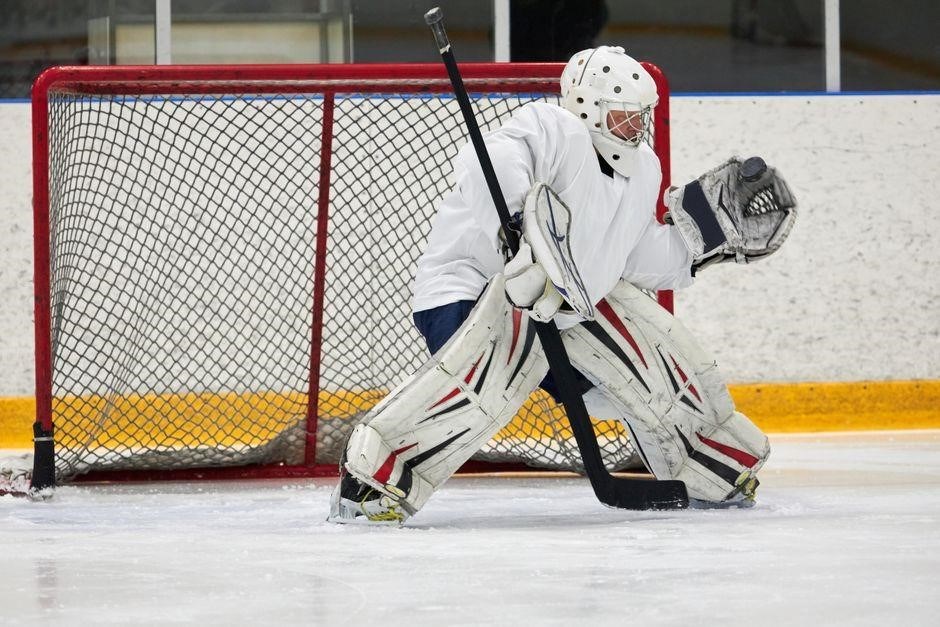
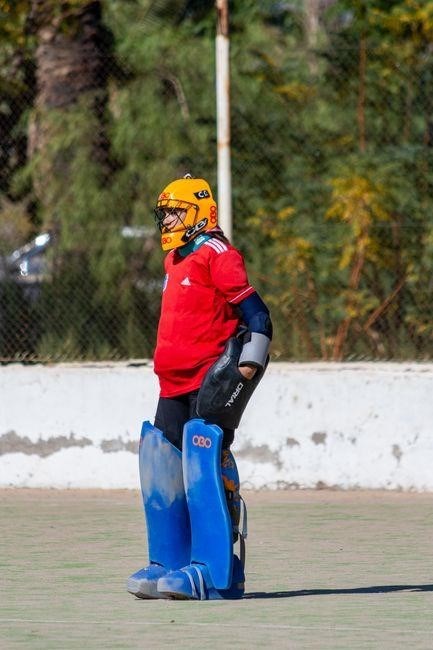
Defenders‚ forwards‚ and goalies each demand a distinct shin‑pad profile․ Defenders prioritize bulk and coverage; they often select larger‚ thicker pads that protect against body checks and stick impacts․ The pad’s outer shell is usually reinforced with high‑density foam or composite panels‚ and the inner lining contains extra cushioning to absorb repeated blows․ Forward players‚ who rely on speed and agility‚ opt for slimmer‚ lighter pads that still offer adequate protection․ These pads feature a streamlined shape‚ reduced bulk‚ and a lower center of gravity‚ enabling quick cuts and rapid acceleration․ Goalies require a hybrid approach: a padded front for stick and puck impact‚ combined with a flexible rear that allows the leg to bend during saves․ Many goalie pads incorporate a split‑design‚ where the front is heavily padded‚ and the rear is segmented for flexibility․ Additionally‚ goalies often use a “t‑shaped” pad that covers the shin and extends to the knee‚ providing extra protection during high‑velocity rebounds․ The choice of pad size also varies by position․ Defenders typically wear a size that allows a 1–2 inch margin between the pad and the shoe‚ ensuring stability during contact․ For forwards‚ a tighter fit reduces the risk of the pad shifting during a sprint․ Goalies‚ meanwhile‚ need a snug fit that prevents a pad from sliding while still permitting a full range of motion for leg lifts․ Proper positioning of the pad—centered on the tibia‚ not too high or low—ensures optimal protection and comfort across all roles․ Players should also consider the pad’s weight distribution; a heavier pad can hinder a forward’s quickness‚ whereas a too‑light pad may not withstand a defender’s checks․ The pad’s weight is calibrated to match the player’s body mass‚ ensuring that heavier players receive more cushioning without compromising speed maintaining agility!!