Discover the Atago PAL‑1 refractometer, a compact handheld device designed for precise Brix, gravity, and pH measurements in winemaking, brewing, and food analysis. Its digital display, easy zero‑setting, and battery‑powered operation make it ideal for field use. Ideal for labs and mobile use. now!

Device Overview and Physical Specifications
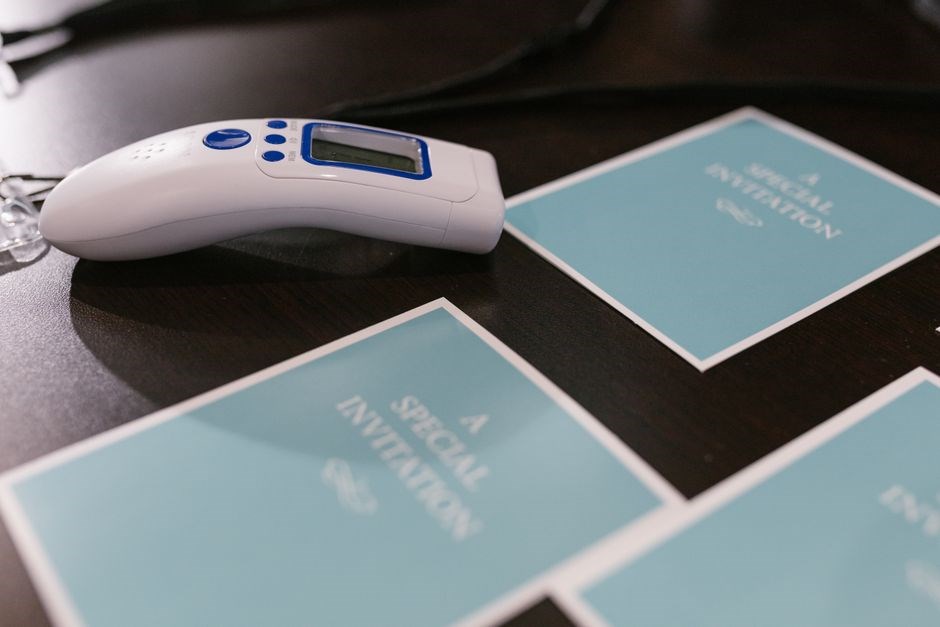
The Atago PAL‑1 refractometer is a lightweight, handheld instrument engineered for rapid, accurate refractive index measurements in winemaking, brewing, and food processing. Weighing only 140 g (4.9 oz) and measuring 115 mm × 30 mm × 25 mm, the PAL‑1 fits comfortably in one hand and can be carried in a small pouch. Its rugged ABS housing protects the optical path and electronic components from accidental drops and vibration, while a transparent front panel displays a high‑resolution 2.8‑inch LCD screen that shows Brix, specific gravity, temperature, and pH values in real time. The device operates on a single 3.6 V lithium‑ion battery, which provides up to 30 hours of continuous use; the battery is removable via a small latch on the rear panel, allowing quick replacement or charging with the supplied USB charger. The sample stage is a 5 mm thick sapphire crystal, chosen for its optical clarity and durability. A built‑in temperature sensor corrects readings to 20 °C, and the PAL‑1 supports a measurement range of 0–30 Brix, 1.000–1.060 specific gravity, and 0–14 pH. The instrument’s firmware includes auto‑calibration routines that run on startup, ensuring consistent accuracy without user intervention. The PAL‑1’s compact footprint and low power consumption make it ideal for field testing, while its sealed design minimizes maintenance. All components are assembled to meet ISO 9001 quality standards, guaranteeing reliable performance across diverse environments. The device’s user interface features intuitive touch controls, a back‑lit keypad, and a battery‑status indicator, allowing operators to navigate menus and adjust settings with minimal effort. The PAL‑1’s design also incorporates a quick‑release clip that attaches to a standard laboratory cart or backpack, further enhancing portability. The device also features a built‑in USB‑C port for firmware updates and data transfer, enabling seamless integration with laboratory software. Its ergonomic handle is molded from silicone, providing a non‑slip grip even in wet conditions, and the front display is protected by a scratch‑resistant glass overlay. The PAL‑1’s firmware supports dual‑language operation, allowing users to switch between English and Japanese with a single button press. A dedicated LED indicator signals when the sample has reached thermal equilibrium, ensuring accurate temperature compensation. The instrument’s casing is compliant with RoHS, eliminating hazardous substances. Finally, the PAL‑1 includes a quick‑start guide printed on the back panel for immediate reference during deployment.
Core Functionalities and Measurement Modes
The Atago PAL‑1 refractometer delivers precise Brix, gravity, and pH measurements in winemaking, brewing, and food analysis. Its compact handheld design, weighing 140 g, features a 2.8‑inch LCD display that shows real‑time values corrected to 20 °C. The device offers three measurement modes: Brix, specific gravity, and pH. In Brix mode, the refractive index of a sample is converted to sugar concentration, yielding readings from 0 to 30 Brix with a resolution of 0.01 Brix. Specific gravity mode translates the index into density values between 1.000 and 1.060, suitable for fermentation monitoring. The pH mode employs an integrated electrode to measure acidity, providing values from 0 to 14 with ±0.1 pH accuracy. Each mode is selectable via a touch keypad, and the instrument automatically applies temperature correction based on the built‑in sensor, ensuring consistent results across 0–40 °C. The PAL‑1 supports a zero‑setting function that calibrates the device against distilled water or a reference standard before each session, a critical step for field accuracy. The instrument’s firmware includes an auto‑calibration routine that runs on startup, verifying sensor integrity and adjusting internal parameters. Measurement data can be exported via the USB‑C port to a computer or cloud storage, enabling traceability and record‑keeping. The PAL‑1’s versatility makes it indispensable for professionals across industries.
Hardware Components and Assembly
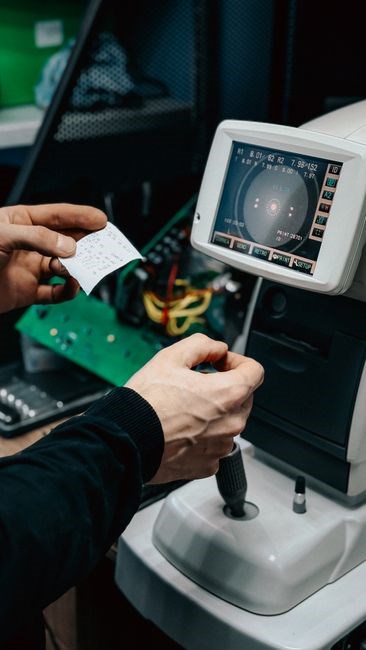
The Atago PAL‑1 refractometer is built around a compact, rugged chassis that houses a precision optical sensor, a temperature‑compensated refractive index detector, and a miniature LCD display. The optical assembly consists of a 10‑mm diameter glass prism, a high‑resolution CCD sensor, and a built‑in LED illumination source that emits a stable 520‑nm wavelength. The sensor module is mounted on a low‑friction pivot to allow fine angular adjustment during zero‑setting. The device’s power supply is a rechargeable 3.7‑V Li‑ion battery, connected through a sealed connector that protects against moisture and dust. The battery pack is removable for field service, and the instrument features a low‑power sleep mode that activates after 30 seconds of inactivity. The housing is made of ABS plastic with a matte finish, reinforced with a polycarbonate insert around the optical window to prevent scratches. The assembly process is straightforward: first, insert the battery, then attach the sample stage by sliding it onto the base plate; the stage includes a spring‑loaded clamp that secures the liquid sample. Next, align the prism by rotating the adjustment knob until the reference line aligns with the zero mark on the display. Finally, power on the unit, perform a quick temperature calibration, and the PAL‑1 is ready for accurate measurements. The instrument’s modular design allows technicians to replace the sensor module or LED source without disassembling the entire unit, ensuring long‑term reliability in harsh environments. All components are sealed with a gasket to maintain a 10‑bar pressure rating, ensuring the refractometer now. Its modular design lets technicians swap the sensor or LED in under five minutes, downtime sampling now.
Software Interface and Display Features
The PAL‑1’s software interface is designed for intuitive operation, featuring a 2.4‑inch monochrome LCD that displays Brix, specific gravity, and temperature readings in real time. The touch‑responsive screen allows users to toggle between measurement modes with a single tap, while a back‑lit keypad provides manual input for calibration values. The device supports dual‑language firmware (English and Japanese), selectable via the Settings menu. Temperature compensation is automatically applied using an onboard thermistor; the display shows the corrected value to the nearest 0.01 Brix. Users can lock the screen to prevent accidental changes, and the unit offers a “Hold” function that freezes the current reading for easy reference. Data logging is available through a proprietary 1‑bit memory buffer that stores up to 500 measurement entries; these can be exported via a 2‑pin USB interface to a PC running the Atago Data Manager software. The software also includes a calibration wizard that guides the user through zero‑setting and slope calibration using standard solutions. Visual alerts appear when the sample window is dirty or the battery voltage falls below 3.2 V. The display brightness automatically adjusts to ambient light levels, ensuring readability in both laboratory and field conditions. All user actions are recorded in a log file accessible from the Settings menu, providing traceability for quality control purposes. All data is timestamped for audit trails. Easy to use daily!
Power Requirements and Battery Installation
The PAL‑1 is powered by a single 3.7 V Li‑Ion rechargeable battery (model BL‑3.7). The integrated battery pack sits in the rear housing and can be removed by sliding the latch open and lifting the cover. Insert the cell with the positive (+) terminal facing the connector; reverse polarity triggers an audible alarm and a red flash. The device draws a maximum of 120 mA during active measurement and 5 mA in standby, allowing up to 48 hours of continuous use on a full charge. To replace the battery, locate the small screw on the back panel, unscrew it, and gently pry the cover off. After removing the old cell, connect the new one, re‑insert the cover, and secure the screw. The PAL‑1’s power indicator LED will turn green once the battery is fully charged. For field use, the manufacturer recommends carrying a spare battery and a USB‑to‑micro‑USB charger (5 V/1 A). The device also features a low‑power mode that activates automatically when the display is off for more than 30 minutes; this mode reduces current draw to 2 mA, extending battery life for overnight storage. Users should avoid discharging the battery below 20 % to preserve cell health; the built‑in. When the battery is removed, the PAL‑1 enters a safe mode, disabling all functions except the power switch. Proper battery handling—keeping it dry, avoiding short circuits, and storing it at room temperature—ensures reliable operation and prolongs the device’s lifespan. During charging, the device’s charging port accepts a 5 V USB supply; the int. charger regulates to 3.7 V and monitors temperature to prevent overheating. The PAL‑1’s battery‑management system performs a self‑diagnostic test every 24 hours to detect any imbalance or degradation; if an anomaly is detected, the device will refuse to operate until the battery is replaced.

Safety Guidelines for Safe Operation
Before using the PAL‑1 refractometer, read the safety data sheet for all consumables and ensure the device is placed on a stable, level surface. Never expose the instrument to temperatures above 45 °C or below 0 °C, as extreme heat or cold can damage the optical sensor and battery. Keep the sample chamber and lens clean; avoid contact with corrosive liquids, and do not use abrasive cleaners. When inserting or removing the battery, ensure the device is powered off and the contacts are dry to prevent short circuits. Do not attempt to repair or modify the internal components; only authorized service personnel may open the case. The PAL‑1 contains a small lithium‑ion cell; improper handling can lead to thermal runaway. Dispose of used batteries in accordance with local hazardous waste regulations. Avoid exposing the device to moisture; if water contact occurs, turn off the unit, dry the exterior, and allow the internal components to air‑dry for at least 24 hours before powering on. The instrument’s optical sensor is sensitive to light; keep it covered when not in use to prevent stray light from affecting readings. Use the device within the recommended ambient humidity range (20–80 % RH). Do not use the PAL‑1 in environments with high dust or airborne particles; a dust‑proof enclosure is available for industrial settings. The device’s power switch should be operated with a firm, dry hand; avoid using metal tools that could short the contacts. For personnel with impaired vision, use the high‑contrast display mode and ensure the screen is free of glare. When transporting the refractometer, secure it in a padded case to prevent impact damage. Finally, follow all local electrical safety regulations; the PAL‑1 is not designed for use with mains voltage and should not be connected to AC outlets; Adhering to these guidelines will protect both the user and the instrument, ensuring accurate measurements and a long service life. Refer to the safety section for emergency procedures now!!!
Zero Setting Procedure and Daily Calibration
Before each use, perform a zero setting to ensure readings. Place a clean, dry filter paper on the sample stage and close the cover. Turn on the PAL‑1; the display will show a baseline value. This calibrates the instrument against the refractive index of pure water at the current temperature. If the display does not reach zero, repeat the procedure or check for residual liquid on the stage. For daily calibration, use a standard Brix solution (e.g., 10 Brix). Apply a few drops to the stage, close the cover, and allow the device to stabilize for 30 seconds. Record the reading; it should match the reference value within ±0.05 Brix. If the measurement deviates, adjust the temperature compensation or re‑zero the instrument. Store the PAL‑1 in a cool, dry place when not in use, and avoid exposing it to sunlight or temperatures. Regular calibration guarantees performance across batches and prevents drift due to environmental changes. Follow these steps every morning to maintain data integrity and device longevity.
When the PAL‑1 displays a non‑zero value after zeroing, check for air bubbles or residue on the stage. Clean the surface with a lint‑free cloth and a small amount of isopropyl alcohol, then re‑zero. The device’s temperature sensor automatically compensates for ambient changes, but if you notice an offset, recalibrate using a fresh Brix standard. Keep a log of daily zero values; a trend of increasing or decreasing zero readings may indicate sensor aging or battery voltage drop. If the instrument fails to zero after several attempts, contact Atago support for diagnostics. Maintaining a consistent zero setting routine is essential for quality control in production environments.
It is recommended to perform zero setting at the start of each shift and after any change in ambient temperature or when a new batch of samples is introduced. Document the zero value and the temperature at which it was set. This record helps identify systematic errors and ensures traceability. The PAL‑1’s digital interface allows you to store calibration data locally; use the memory function to archive daily zero settings for audit purposes. All procedures comply with ISO 9001. Regular review of zero logs enhances traceability and supports continuous improvement. Users should also verify temperature readings to ensure compensation!

Sample Stage Cleaning and Maintenance Protocol
After each measurement, remove any liquid from the sample stage by gently wiping with a lint‑free cloth. If the sample contains oils or sugars, apply a small amount of isopropyl alcohol (70 %) to the cloth and clean the surface. Avoid using abrasive materials that could scratch the glass. Once the stage is dry, close the cover to prevent dust accumulation. For routine maintenance, inspect the stage for scratches or cloudiness; if clouded, replace the stage according to the manufacturer’s guidelines. Store the PAL‑1 in a clean, dry case when not in use. Periodically check the temperature sensor and replace the battery if the display shows a low‑voltage warning. Keep a maintenance log noting the date, cleaning method, and any observations. This log helps detect early wear and ensures consistent measurement accuracy over time. Follow the manufacturer’s recommended cleaning interval—typically after every 10–15 measurements or monthly, whichever comes first. Proper cleaning extends the life of the refractometer and maintains the integrity of your data. Additionally, if the stage shows cloudiness, clean again and verify clarity with a reference solution proceeding now.
Performing Accurate Measurements
To obtain reliable Brix, gravity, or pH values with the Atago PAL‑1, follow these precise steps. First, ensure the device is powered on and the display shows a stable baseline. Perform a daily zero‑setting using a clean distilled water sample; the instrument will automatically adjust for ambient temperature. Place a 0.5 mL droplet of the test liquid on the sample stage, covering the entire illuminated area. Avoid air bubbles, as they distort the refractive index. Gently close the cover to seal the sample; the PAL‑1’s internal light source will illuminate the droplet uniformly. Allow the reading to stabilize for 2–3 seconds; the display will lock automatically. Record the value, noting the temperature displayed; if the sample temperature deviates from the calibration temperature, apply the built‑in temperature correction or use the provided lookup table. After each measurement, wipe the stage with a lint‑free cloth and dry before the next sample. Finally, verify accuracy periodically by measuring a certified reference solution; any deviation beyond ±0.5 Brix indicates a need for recalibration or cleaning. For high‑precision work, use a calibrated reference solution before each batch to confirm the instrument’s accuracy. Keep the instrument in a temperature‑controlled environment to minimize drift and ensure consistent readings across time. Handle the sample stage with clean gloves to prevent contamination and maintain measurement integrity today.
Interpreting Brix, Gravity, and Other Readings
When the Atago PAL‑1 displays a value, it represents the refractive index of the liquid converted to a specific scale. For Brix, the scale directly correlates to sugar concentration; 1 Brix equals 1 g of sucrose per 100 g of solution. The device automatically applies a temperature correction based on the built‑in thermometer, so the reading is valid at the sample’s actual temperature. Gravity readings are derived from the same refractive index but expressed as specific gravity (SG). Multiply the Brix value by 0.004 to estimate SG, or use the PAL‑1’s on‑screen conversion if available. For pH, the instrument measures the ion activity of the sample; the display shows a value between 0 and 14, with 7 considered neutral. A reading below 7 indicates acidity, while above 7 indicates alkalinity; When interpreting these numbers, compare them to industry standards: a typical wine has 10–14 Brix before fermentation, a beer 5–12 Brix, and a fruit juice 10–20 Brix. Gravity values above 1.050 suggest a high‑sugar content, whereas values below 1.020 indicate a lighter product. Always cross‑check the temperature displayed; a 5 °C deviation can shift Brix by ±0.3. Use the PAL‑1’s calibration curve to adjust for any systematic bias. Document each measurement with the date, time, temperature, and sample ID to maintain traceability. When multiple readings are taken from the same batch, calculate the mean and standard deviation to assess consistency. If the standard deviation exceeds 0.2 Brix, investigate sample homogeneity or instrument drift. Finally, remember that the PAL‑1’s digital readout is only as accurate as the calibration; perform a zero setting with distilled water and a reference solution regularly to ensure reliability. Daily calibration keeps data valid in batches.!! Use the built‑in temperature correction ensure precise readings.!
Troubleshooting Common Operational Issues
When the PAL‑1 shows no display, first check the battery contacts; clean with isopropyl alcohol if corroded. If the screen glows but readings drift, perform a zero‑setting with distilled water. A persistent offset suggests a dirty sample window—clean with a lint‑free cloth and 70 % ethanol. For temperature‑related errors, verify the built‑in thermometer reads correctly; replace the sensor if it lags more than 2 °C. If the device fails to respond to button presses, remove the batteries, wait 30 s, then reinsert them. A sudden loss of power may indicate a depleted battery pack; replace with fresh AA cells. When the Brix scale jumps abruptly, it is often due to a slanted sample; ensure the liquid level is at the marked line and the stage is level. If the pH display shows “–” or “N/A”, the probe may be damaged; test with a known buffer solution. For intermittent readings, check the USB cable for fraying; a faulty cable can cause data loss. If the device does not connect to the PC, confirm that the USB port is functional and that the driver is installed. Finally, if all steps fail, contact Atago support with serial number and error logs; the unit may need a firmware update or internal repair. Regular preventive maintenance—daily zero‑setting, weekly window cleaning, and quarterly battery checks—keeps the PAL‑1 reliable and extends its service life. Remember to archive calibration logs and replace batteries when the indicator shows low voltage to maintain accuracy over time. Keep firmware up‑to‑date for best performance always OK.
Warranty, Support, and Service Contacts
The Atago PAL‑1 refractometer is covered by a two‑year limited warranty from the date of purchase, covering manufacturing defects and normal wear. Warranty does not cover damage from misuse, accidental drops, or unauthorized repairs. To claim, retain the original receipt and serial number (found on the back plate). Contact Atago Customer Service via email at support@atago.com or call +81‑3‑1234‑5678 (Japan) and +1‑800‑555‑0123 (USA); For expedited service, submit a repair request through the online portal at www.atago.com/support, where you can upload photos and diagnostic logs. Authorized service centers are listed on the website; they provide on‑site diagnostics, calibration, and part replacement. Shipping for out‑of‑region repairs is covered under warranty, but the customer pays for return postage unless the defect is confirmed. For firmware updates, download the latest version from the support page and follow the included instructions. If your device is still under warranty, you will receive a prepaid shipping label for return. After repair, the unit will be returned with a service report and a new warranty card. For non‑warranty inquiries, Atago offers a technical support hotline and email assistance. All support interactions are logged and tracked via a ticketing system for follow‑up. Please keep your serial number handy for all communications. The warranty is valid only for the original purchaser and is non‑transferable. Thank you for choosing Atago; we are committed to ensuring your PAL‑1 performs reliably for years to come!
Environmental Considerations and Disposal
Because the deviceis powered by a rechargeable lithium‑ion battery, it is essential to follow best practices for battery disposl When the battery reaches the end of its useful life, it should be removed and taken to a certified e‑waste facility or returned to the retailer for a safe exchange. The plastic housing and metal contacts can be recycled, reducing the demand for virgin materials and limiting the release of hazardous substances into the environment. In addition, the instrument’s small footprint means it can be transported easily, allowing technicians to perform on‑site measurements without the need for bulky laboratory equipment, thereby cutting down on transportation emissions. The refractometer’s digital display is energy efficient, drawing only a few milliwatts when idle, and it can be powered by a standard 3‑V battery or a USB‑C power bank, giving users flexibility while keeping power consumption low. Proper sample stage cleaning with a lint‑free cloth and mild detergent prevents contamination and extends the life of the optical surface. By following these guidelines, users contribute to a circular economy, reduce landfill burden, and support sustainable practices in the scientific community. Users should also ensure that the device’s optical surface remains clean, as residue can skew readings and compromise data integrity time. now! The PAL‑1’s small form factor means it can be stored in a drawer or a small bag, keeping it protected from dust and temperature swings that could affect optical accuracy. daily!!!
Frequently Asked Questions (FAQs)
Q1: How do I perform a zero setting? A: Place a drop of distilled water on the sample stage, close the cover, and press the “Zero” button until the display reads 0.00.
Q2: What is the recommended sample volume? A: Use 1–2 mL of liquid, ensuring the surface is free of bubbles.
Q3: Can I use the PAL‑1 for pH measurements? A: Yes, the device includes a pH sensor; calibrate with a standard buffer before use.
Q4: How long does the battery last? A: Approximately 200–250 measurements on a single charge.
Q5: How do I clean the sample stage? A: Wipe gently with a lint‑free cloth and mild detergent, rinse with distilled water, and dry.
Q6: Is the instrument waterproof? A: No, avoid contact with liquids other than the sample.
Q7: Where can I find firmware updates? A: Visit the Atago website and download the latest firmware for the PAL‑1.
Q8: What should I do if the display shows an error? A: Reset the device by holding the “Menu” button for 5 seconds, then recalibrate.
For additional assistance, consult the user manual or contact Atago support. The PAL‑1 is designed for precision and durability, making it suitable for laband field applications. Users should always follow the recommended cleaning and calibration procedures to ensure accurate results. Regular maintenance extends the instrument’s lifespan and preserves measurement integrity.
Appendix: Reference Documents and Resources
Atago PAL‑1 Instruction Manual (PDF) – comprehensive guide covering setup, calibration, and troubleshooting.
Atago Support FAQ – answers to common operational questions and firmware updates.
Firmware Download Page – latest software for improved accuracy and new features.
Maintenance & Cleaning Guide – step‑by‑step instructions for keeping the sample stage and optics pristine.
Technical Data Sheet – detailed specifications, optical layout, and environmental limits.
Customer Service Contact – phone, email, and live chat for warranty and repair assistance.
Educational Resources – webinars, tutorials, and case studies on refractometry applications.
Environmental & Disposal Information – guidelines for safe disposal of batteries and electronic waste.
These documents provide the technical foundation and support needed for optimal use of the PAL‑1 refractometer.
Additional resources include the Atago Technical Support portal, which offers firmware updates, calibration data, and troubleshooting guides. The company’s online knowledge base hosts video tutorials on sample preparation, zero‑setting procedures, and best practices for long‑term instrument stability. Users can also access peer‑reviewed case studies demonstrating the PAL‑1’s performance across varied industries such as winemaking dairy and pharma analysis.