Bosch, a global technology leader, offers the 100 Series – a reliable and efficient dishwasher. Employing over 418,000 associates, Bosch delivers innovative solutions worldwide.
Overview of the Bosch 100 Series
The Bosch 100 Series represents an excellent entry point into the world of Bosch dishwashing technology. As part of the larger Bosch Group, employing approximately 418,000 associates globally, this series focuses on delivering dependable performance and essential features. Generating 90.3 billion euros in sales in 2024, Bosch prioritizes innovation across its four sectors.
The 100 Series is designed for everyday use, offering a balance of cleaning power, quiet operation, and water efficiency. It’s a popular choice for those seeking Bosch quality without premium features.
Key Features and Benefits
Bosch 100 Series dishwashers boast key features like efficient operation and quiet performance, backed by Bosch’s extensive research and development – over 27 billion euros invested in the last six years. These models offer multiple wash cycles, catering to diverse cleaning needs.
Benefits include reliable cleaning, reduced water consumption, and the durability associated with the Bosch brand. With a global presence, Bosch delivers innovative solutions for modern living, enhancing convenience and efficiency.
Understanding Your Dishwasher’s Control Panel
Bosch integrates intuitive controls for easy operation. The panel allows cycle selection and option adjustments, streamlining the cleaning process for optimal results.
Powering On and Off
To power on your Bosch 100 Series dishwasher, simply press the Power button, typically located on the control panel. A light indicator will illuminate, confirming activation. To turn off the dishwasher, press the same Power button again. Ensure the cycle is complete or canceled before powering down.
Bosch prioritizes energy efficiency; the dishwasher enters a low-power standby mode when off, minimizing consumption. Remember to disconnect the power supply during extended periods of non-use for added safety and energy conservation, aligning with Bosch’s commitment to sustainability.
Cycle Selection Guide
The Bosch 100 Series offers cycles for diverse needs. Normal Cycle suits everyday loads. Heavy Cycle tackles stubborn residue. Quick Wash efficiently cleans lightly soiled dishes. Delicate Cycle protects fragile items.
Bosch’s innovative solutions extend to cycle design, optimizing cleaning performance and resource usage. Selecting the appropriate cycle ensures optimal results and extends dishwasher lifespan. Refer to the full manual for detailed cycle descriptions and recommended load types, maximizing efficiency.
Option Buttons Explained (e;g., Sanitize, Delay Start)
Sanitize elevates water temperature for enhanced hygiene, eliminating bacteria. Delay Start allows postponing the cycle up to 24 hours for convenience. These options customize cleaning.
Bosch invests heavily in research and development – over 27 billion euros in the last six years – to refine features. Utilizing these options optimizes performance. Consult the manual for specific settings and combinations, ensuring efficient and tailored dishwashing experiences.
Loading Your Dishwasher Correctly
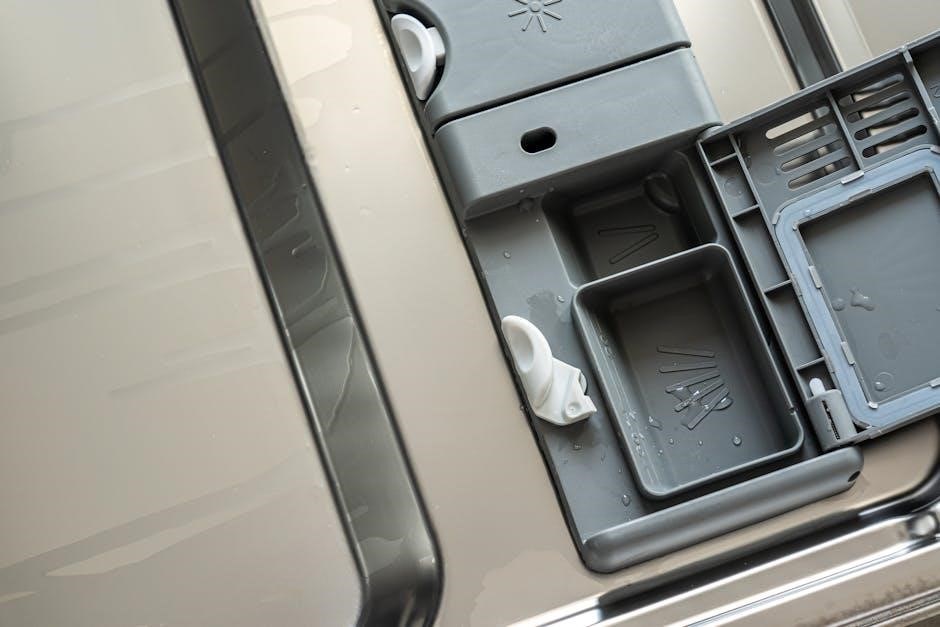
Proper loading maximizes cleaning efficiency. Bosch’s innovative solutions, developed by 59,000 researchers, require strategic placement for optimal water circulation and spotless results.
Upper Rack Loading Tips
Maximize space and cleaning on the upper rack by positioning items facing the center spray arm. Ensure tall glasses and mugs don’t obstruct the arm’s rotation. Delicate items, like crystal, should be securely placed to prevent chipping. Avoid overcrowding; allow water to reach all surfaces. Bosch invests heavily in research – over 27 billion euros in the last six years – to optimize dishwasher performance, and proper loading is key to unlocking that potential. Adjust rack height if needed for larger items, ensuring clearance.
Lower Rack Loading Tips
Securely load heavier items like pots, pans, and baking dishes facing the spray arm. Ensure these don’t block the detergent dispenser. Plates and bowls should be placed between the tines, avoiding overlap. Larger items may require adjusting the rack height. Bosch, with 59,000 researchers globally, prioritizes efficient cleaning. Proper loading maximizes water circulation. Avoid nesting items to ensure thorough cleaning. Remember, Bosch aims to facilitate new mobility offerings and innovative solutions for everyday life.
Silverware Basket Usage
Alternate silverware placement – handles down for some, handles up for others – to prevent nesting and ensure complete water access. Longer utensils can lay flat; smaller items should be grouped. Bosch invests over 27 billion euros in research and development, focusing on user-friendly designs. Avoid overcrowding the basket. Separate different metal types to prevent reactions. This maximizes cleaning efficiency, aligning with Bosch’s commitment to innovative solutions and global technological leadership, employing roughly 418,000 associates worldwide.
Detergent and Rinse Aid
Bosch prioritizes optimal cleaning; use recommended detergents and rinse aid for sparkling dishes. Bosch employs 59,000 researchers globally, driving innovation.
Recommended Detergent Types
Bosch dishwashers perform best with high-quality detergents specifically formulated for automatic dishwashing machines. Powder, gel, and tablet detergents are all suitable, but tablets often offer pre-measured convenience. Avoid hand dish soap, as it creates excessive suds and can damage the appliance. Bosch invests over 27 billion euros in research and development, ensuring optimal performance. For consistently clean results, consider detergents with enzymes designed to break down food residue, and those free of phosphates and chlorine bleach to protect your dishes and the environment.
Proper Detergent Dosage
Bosch recommends adjusting detergent dosage based on water hardness and soil level. Generally, use 1-2 tablespoons of powder or gel, or one detergent tablet. Overusing detergent doesn’t improve cleaning and can leave residue. Refer to the detergent packaging for specific instructions. Bosch employs roughly 418,000 associates globally, dedicated to innovation. Hard water requires more detergent than soft water. Always check the dishwasher’s detergent compartment to ensure it’s not overfilled, contributing to optimal cleaning performance.
Rinse Aid: Why and How to Use
Bosch dishwashers benefit significantly from rinse aid usage. It reduces water spots and film, enhancing drying performance, especially in hard water areas. Fill the rinse aid dispenser until the indicator window shows full. Adjust the dosage setting (typically 1-6) based on water hardness; higher numbers for harder water. Bosch invests over 27 billion euros in R&D. Rinse aid ensures sparkling clean dishes and prevents re-depositing of food particles, contributing to a spotless finish every time.

Dishwasher Cycles in Detail
Bosch offers cycles like Normal, Heavy, Quick Wash, and Delicate. These cater to varying soil levels and dish types, ensuring optimal cleaning performance and efficiency.
Normal Cycle – Everyday Cleaning
The Normal cycle is designed for daily dishwashing needs, effectively cleaning normally soiled dishes. It balances cleaning power with energy and water efficiency, making it a versatile choice for most loads. This cycle utilizes a moderate temperature and spray intensity, suitable for a wide range of dishware, glassware, and cutlery.
Bosch’s innovative technology ensures thorough cleaning while minimizing resource consumption. It’s ideal for everyday use, providing sparkling results without excessive energy expenditure, aligning with Bosch’s commitment to sustainability.
Heavy Cycle – For Stubborn Food Residue
The Heavy cycle tackles heavily soiled dishes with baked-on food residue. This cycle employs higher water temperatures and increased spray pressure for a more intensive clean. It’s perfect for pots, pans, and casserole dishes requiring extra cleaning power. Bosch’s advanced technology ensures even the most stubborn messes are effectively removed.
While utilizing more energy, the Heavy cycle delivers exceptional cleaning performance, restoring your dishes to their sparkling best. It’s a reliable solution for challenging cleaning tasks.
Quick Wash Cycle – When You’re in a Hurry
The Quick Wash cycle is designed for lightly soiled dishes needing a fast refresh. This cycle significantly reduces wash time, offering a convenient solution when you’re short on time. While prioritizing speed, it still delivers a respectable clean, utilizing optimized water usage and spray patterns.
Bosch’s engineering ensures efficient cleaning even within a shorter timeframe, making it ideal for daily loads without heavy residue. It’s a practical choice for busy households.
Delicate Cycle – For Fragile Items
The Delicate Cycle provides gentle cleaning for glassware, crystal, and other fragile dishware. This cycle utilizes lower water temperatures and reduced water pressure to minimize the risk of chipping or breakage. It’s specifically engineered to protect your most cherished items during the wash process.
Bosch prioritizes careful handling, ensuring a thorough clean without compromising the integrity of delicate materials. This cycle is ideal for items requiring extra care.
Maintenance and Cleaning
Regular maintenance ensures optimal performance. Bosch invests over 27 billion euros in R&D, resulting in durable, yet maintainable, appliances for lasting efficiency.
Cleaning the Filter System
Maintaining a clean filter is crucial for optimal dishwasher performance. Bosch, with its 59,000 researchers globally, prioritizes user-friendly design. The filter traps food particles, preventing redeposition onto dishes. Regularly remove and rinse the filter – typically located at the bottom of the dishwasher interior – under running water. Inspect for blockages and remove any debris. A clogged filter reduces cleaning effectiveness and can lead to drainage issues. Refer to your Bosch 100 Series manual for specific filter removal and cleaning instructions, ensuring proper reinstallation for continued efficient operation.
Cleaning the Spray Arms
Bosch’s innovative solutions extend to dishwasher spray arm design. Over 27 billion euros invested in R&D ensures efficient cleaning. Remove the spray arms – usually by unscrewing or unclipping – and inspect the nozzles for clogs. Use a toothpick or small wire to clear any obstructions. Ensure the spray arms rotate freely after cleaning. Blocked nozzles reduce water pressure and cleaning performance. Refer to your Bosch 100 Series manual for specific spray arm removal and reinstallation instructions, maintaining optimal dishwasher functionality.
Exterior Cleaning Instructions
Bosch prioritizes durable, easy-to-maintain appliances. For stainless steel exteriors, use a Bosch-recommended stainless steel cleaner, wiping with the grain to avoid scratches. Avoid abrasive cleaners, as they can damage the finish. For plastic or coated exteriors, a mild dish soap and water solution is sufficient. Always rinse thoroughly and dry with a soft cloth. Regular cleaning prevents buildup and maintains the dishwasher’s appearance, reflecting Bosch’s commitment to quality and lasting performance.
Troubleshooting Common Issues
Bosch dishwashers, backed by extensive research and development (over €27 billion invested), may occasionally encounter problems; this section offers solutions for typical concerns.
Dishwasher Not Starting
If your Bosch 100 Series dishwasher fails to start, first verify the power supply. Ensure the dishwasher is properly plugged into a functioning electrical outlet. Check your home’s circuit breaker or fuse box to confirm the circuit hasn’t tripped or blown.
Next, confirm the door is securely latched; the dishwasher won’t operate if the door isn’t fully closed. Also, examine the control panel for any active error codes, referencing the error code section of this manual. Finally, a child lock feature, if enabled, could prevent operation – disable it if necessary.
Dishwasher Not Draining
If your Bosch 100 Series dishwasher isn’t draining, begin by checking for kinks or obstructions in the drain hose. Ensure the hose isn’t bent or crushed, restricting water flow. Next, inspect the dishwasher’s filter system – a clogged filter is a common cause of drainage issues; clean it thoroughly.
Verify the garbage disposal, if connected to the dishwasher drain, is clear and functioning correctly. Finally, check for any error codes displayed on the control panel and consult the troubleshooting section of this manual.
Dishes Not Getting Clean
If dishes aren’t clean after a cycle, first confirm proper loading – avoid overcrowding and ensure spray arms aren’t blocked. Verify you’re using the correct detergent type and dosage, as insufficient or incorrect detergent impacts cleaning performance. Check the spray arms for clogs and clean them thoroughly.
Also, confirm water temperature reaches at least 120°F (49°C) for optimal results. Adjust dishwasher settings based on your water hardness level, as detailed in the manual.
Leaking Issues and Solutions
Discovering a leak requires immediate attention. First, inspect the door gasket for damage or debris, ensuring a tight seal. Check the water supply and drain hoses for cracks or loose connections; tighten as needed. Verify the dishwasher is level to prevent water spillage.
If leaks persist, examine the spray arms and pump for cracks. Consult the Bosch 100 Series manual for detailed diagrams and troubleshooting steps before contacting service.
Error Codes and Their Meanings
Bosch dishwashers utilize error codes to signal issues. The manual details these codes, aiding in quick diagnosis and resolution of operational problems.
Understanding Error Code Displays
Bosch 100 Series dishwashers communicate issues through a digital display of error codes. These codes aren’t random; they’re specifically designed diagnostic tools. The dishwasher’s manual is crucial for deciphering these signals. Typically, an error code will appear as a letter (like ‘E’) followed by numbers.
These codes pinpoint the source of the problem, ranging from water supply issues to drainage malfunctions or sensor failures. Ignoring these codes can lead to more significant damage, so prompt attention is advised. Referencing the manual ensures accurate interpretation and effective troubleshooting.
Common Error Codes and Resolutions
Bosch 100 Series dishwashers utilize error codes for self-diagnosis. ‘E15’ often indicates a water supply problem – check the water inlet valve and supply line. ‘E24’ signals a drainage issue; inspect the drain hose for kinks or clogs. An ‘E22’ code suggests a heating element malfunction, potentially requiring professional repair.
Consult your dishwasher’s manual for a complete list and detailed resolution steps. Resetting the dishwasher after addressing the issue is often necessary. Remember safety first – disconnect power before any internal inspection or repair attempts.
Water Hardness and Dishwasher Performance
Bosch recommends testing water hardness for optimal cleaning. Adjusting dishwasher settings based on hardness levels ensures spotless dishes and prolongs appliance lifespan.
Testing Your Water Hardness
Determining your water hardness is crucial for optimal dishwasher performance. You can obtain a water hardness test kit from most hardware stores or contact your local water utility company for a report. Water hardness is measured in grains per gallon (gpg) or parts per million (ppm).
Bosch dishwashers require adjustment of the rinse aid setting based on your water’s hardness. Hard water contains minerals like calcium and magnesium, potentially leaving spots and film on dishes. Accurate testing ensures proper detergent dosage and prevents scale buildup within the appliance, maximizing its efficiency and longevity.
Adjusting Dishwasher Settings for Water Hardness
Once you’ve determined your water hardness, adjust the dishwasher’s settings accordingly. The Bosch 100 Series allows you to program a hardness level, typically ranging from 1 (softest) to 7 (hardest). Consult your user manual for specific instructions on accessing and modifying this setting.
Higher hardness levels necessitate increased rinse aid usage to combat spotting. Proper adjustment ensures effective cleaning, prevents mineral deposits, and prolongs the dishwasher’s lifespan. Ignoring this step can lead to diminished cleaning performance and potential appliance damage over time.
Energy Efficiency and Water Usage
Bosch 100 Series dishwashers are Energy Star rated, designed for efficient operation. They minimize water and energy consumption, benefiting both your wallet and the environment.
Bosch 100 Series Energy Star Rating
Bosch prioritizes sustainability, and the 100 Series dishwashers proudly carry the Energy Star rating. This certification signifies that these models meet strict energy efficiency guidelines set by the U.S. Environmental Protection Agency.
Achieving this rating means reduced energy and water consumption during operation, translating to lower utility bills for consumers. Bosch invests heavily in research and development – over 27 billion euros in the last six years – to continually improve efficiency.
The 100 Series’ innovative design and technology contribute to its excellent performance and environmental responsibility, aligning with Bosch’s commitment to a sustainable future.
Tips for Reducing Water Consumption
Bosch 100 Series dishwashers are already water-efficient, but users can further minimize consumption. Utilize the Eco cycle when possible, as it’s designed for optimal water usage. Avoid pre-rinsing dishes excessively; modern dishwashers handle most food residue effectively.
Only run full loads to maximize efficiency. Ensure proper loading to allow water to reach all surfaces. Regularly clean the filter system to maintain optimal performance and prevent re-washing.
By following these simple steps, you can contribute to water conservation while enjoying sparkling clean dishes with your Bosch appliance.
Safety Precautions
Bosch prioritizes safety; always follow guidelines. Disconnect power before maintenance; Keep children away from open/operating dishwasher. Refer to the manual for detailed instructions.
General Safety Guidelines
Bosch dishwashers are designed with safety in mind, but user awareness is crucial. Always disconnect the power supply before performing any maintenance or cleaning procedures. Never allow children to operate or play with the dishwasher, even under supervision. Ensure proper grounding to prevent electrical shock.
Avoid using extension cords. Do not tamper with safety devices. If the power cord is damaged, it must be replaced by a qualified technician. Always load dishes carefully to prevent breakage and potential injury. Refer to the full manual for comprehensive safety information.
Child Lock Feature (if applicable)
Bosch prioritizes family safety; some 100 Series models include a Child Lock feature. This prevents accidental operation by locking the control panel buttons. Activation typically involves pressing and holding specific buttons simultaneously, as detailed in your dishwasher’s manual.
When engaged, the dishwasher won’t respond to button presses, safeguarding against unintended cycle starts or changes. To disengage, repeat the button combination. Always consult the manual for precise instructions specific to your model number.
Installation Information (Brief Overview)
Bosch dishwashers require proper water supply and electrical connections. Professional installation is recommended, ensuring adherence to local codes and safe operation.
Water Supply Connection
Connecting the water supply requires a potable water line with adequate pressure – typically between 40 and 120 psi. A standard 3/8” or 1/2” compression fitting is generally used. Ensure the water line is free of kinks and obstructions.
It’s crucial to install a shut-off valve on the water supply line for easy maintenance and emergency shut-off. Proper sealing with Teflon tape is essential to prevent leaks. Bosch emphasizes professional installation for optimal performance and safety, adhering to local plumbing codes.
Electrical Connection
The Bosch 100 Series dishwasher typically requires a dedicated 120V, 60Hz electrical circuit. A 15-amp circuit breaker is generally sufficient, but consult local electrical codes. Proper grounding is absolutely essential for safety – use a three-prong grounded outlet.
Avoid using extension cords; a direct connection is recommended. If the existing outlet isn’t suitable, a qualified electrician should install one. Bosch stresses professional installation to ensure compliance and prevent electrical hazards, safeguarding both the appliance and the user.
Warranty Information
Bosch dishwashers include a limited warranty, covering parts and labor. Details vary; review your manual for specific terms and claim procedures for service.
Bosch Dishwasher Warranty Details
Bosch provides a limited warranty on its 100 Series dishwashers, typically encompassing one year for parts and labor. This coverage protects against manufacturing defects under normal household use. The stainless steel tub often carries a longer warranty, potentially lifetime against rust-through.
However, the warranty doesn’t cover issues arising from improper installation, misuse, abuse, or alterations. Always retain your proof of purchase for warranty claims. Refer to the complete warranty statement within your dishwasher’s manual for precise terms, conditions, and exclusions.
How to Claim Warranty Service
To initiate a warranty claim for your Bosch 100 Series dishwasher, first gather your model number, serial number, and proof of purchase. Contact Bosch’s customer service department via phone or their website. They will guide you through the claim process and potentially dispatch an authorized technician.
Be prepared to describe the issue in detail. Warranty service typically involves on-site repair or, at Bosch’s discretion, replacement of the defective part. Remember to review your warranty documentation for specific instructions and limitations.
Bosch Company Information
Bosch is a leading global supplier of technology and services, employing roughly 418,000 associates and generating 90.3 billion euros in sales in 2024.
Bosch Global Presence
Bosch maintains a significant global footprint, operating in approximately 60 countries and boasting over 418,000 associates worldwide as of December 31, 2024. This extensive network supports its four business sectors: Mobility, Industrial Technology, Consumer Goods, and Energy and Building Technology.
With 120 research and development locations, Bosch invests heavily in innovation – exceeding 27 billion euros over the last six years. This commitment fuels advancements across diverse fields, including mobility solutions for various transport types.
Bosch Research and Development
Bosch dedicates substantial resources to research and development, employing approximately 59,000 researchers and developers globally. Over the past six years, the company has invested over 27 billion euros (33 billion USD) in R&D, driving innovation across its business sectors.
This investment focuses on areas like connected and automated mobility, powertrain systems, and electrified mobility, creating solutions for passenger and commercial vehicles, and beyond.